
The most requested food at food banks is often shelf-stable protein, such as peanut butter, canned beans, canned tuna, chicken, or salmon. Protein tends to cost more than pasta or canned vegetables, yet it helps turn pantry staples into a full meal. The exact top request changes by place and season, so check the local food bank’s current wish list before you shop.
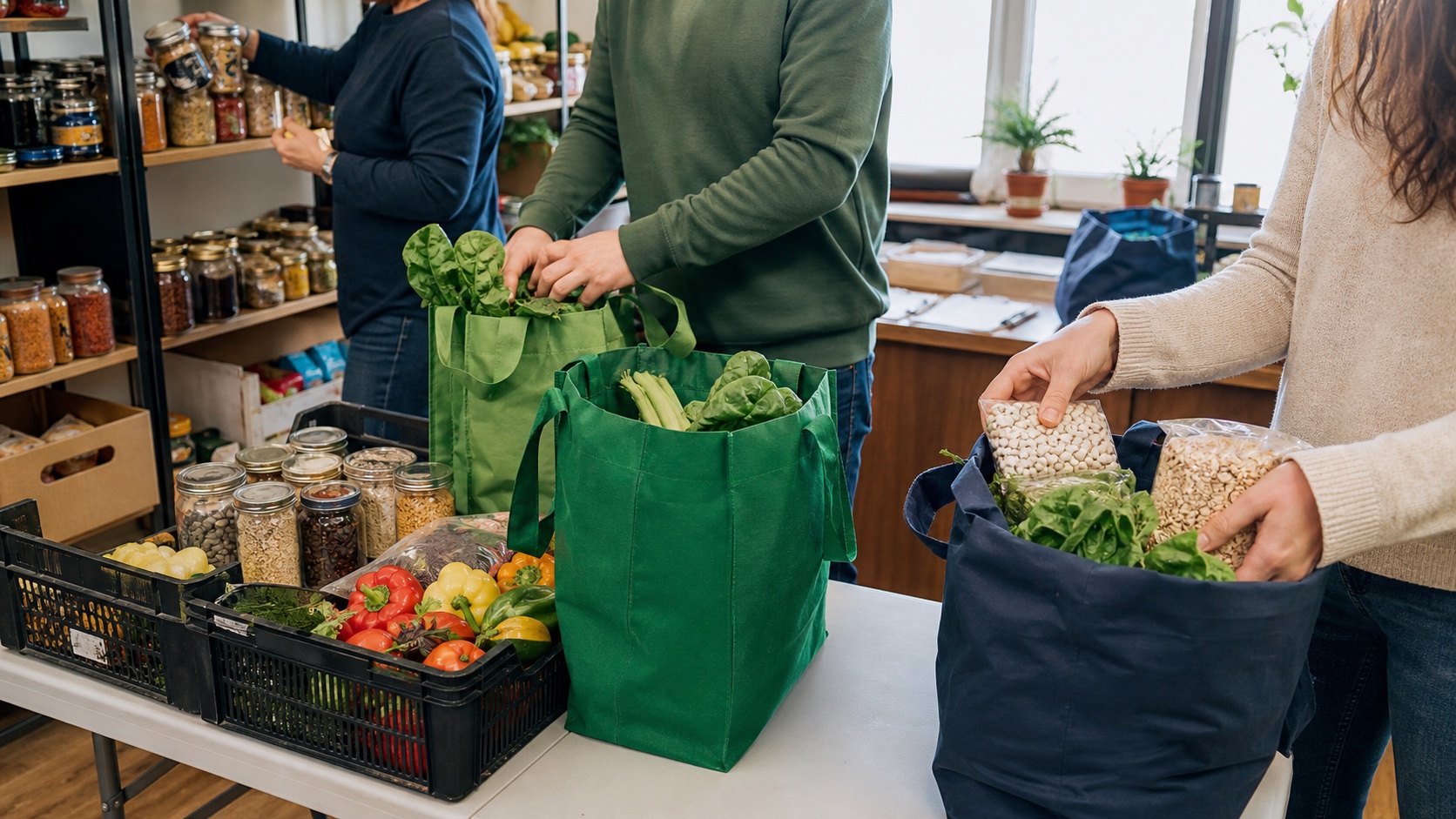
Foods that are often useful
Food banks and the pantries they supply often ask for canned protein, beans, peanut butter, whole-grain cereal, oats, rice, pasta, pasta sauce, canned vegetables, canned fruit packed in juice, shelf-stable milk, and low-sodium soup. Cooking oil, spices, and condiments can also matter because they help families make basic food taste familiar.
Think about the whole meal. Rice is more useful beside beans. Pasta works better with sauce. Cereal needs milk. A mix of foods gives a household more choice than twelve cans of the same item.
How to make the donation count
Choose sealed packages with clear labels and a good amount of time before the “best by” date. Favor cans with pull tabs when possible, since not every household has a can opener. Pick common package sizes that one family can carry, open, store, and finish. Avoid glass if the pantry asks donors not to bring it.
Food banks can often buy in bulk at a lower cost than a shopper can. A cash gift may therefore go further and lets staff buy what is missing that week. If you prefer to give food, call or check the group’s site first. Ask whether it needs food, personal-care goods, diapers, or volunteers.
The simple rule for respectful community food support is to donate food you would feel good serving at your own table. Current, useful, and wanted beats unusual or merely available.